
Convenors
ConTributors
Dr Sally Montgomery is a Post-Doctoral Research Associate at the University of Cambridge. Sally is an anthropologist of political ecology, multispecies relations, conservation, belonging, and islands. She completed her PhD in Social Anthropology at the University of Cambridge. Sally’s work is currently based on Lord Howe Island, Australia where she combines political ecology, more-than-human anthropology, and historical-ethnography perspectives to unpack contestations over belonging and conservation on the Island. Her work engages with topics of kinship, eradication, bureaucracy, science as well as non-human histories. Sally engages with creative research methodologies, particularly as a multispecies ethnographer, using drawing, painting and image-making to explore different modes of representation and engagement.
Dr Joana Formosinhois a research fellow in Science and Technology Studies (STS) at the University of Edinburgh. Her research investigates the social and cultural dimensions of the life sciences and biotechnology. She contributes to social studies of microbes, drawing on ethnographic and philosophical methods to trace changing conceptualisations of body-environment relations across disciplines grappling with microbiome data. In her current position, she develops collaborative methods for the situated governance of synthetic plant genomics. She also collaborates with artists to engage stakeholders—and publics—in participatory sense-making around multispecies bodies, synthetic potatoes and other emergent naturecultures.
Dr Milo Newman is a Postdoctoral Research Associate at Durham University. His interdisciplinary work combines creative practice with research in human geography and the environmental humanities, exploring how ecological change and extinction alter experiences of belonging and place, and produce novel more-than-human heritages. He recently completed an AHRC-funded PhD at the University of Bristol entitled ‘The Lifeworlds of Decline: Creative Interventions in the Spaces of Seabird Extinction,’ which examined seabird decline and extinction on the island of Papay in Orkney, Scotland via participatory and practice-based methods. His work includes exhibitions, public engagement projects, and collaborations across academic and arts institutions.
Dr Rachel Everett-Fry is an anthropologist of rural Canada whose work examines the intersections of ecology, agriculture, and interspecies relations. Her most recent work focused on soil in Ontario, examining the links between ecological and social succession in landscapes shaped by intensive agriculture and settler colonialism. She is also engaged in collaborative, community-based work that bridges academic research, environmental justice, and local action.
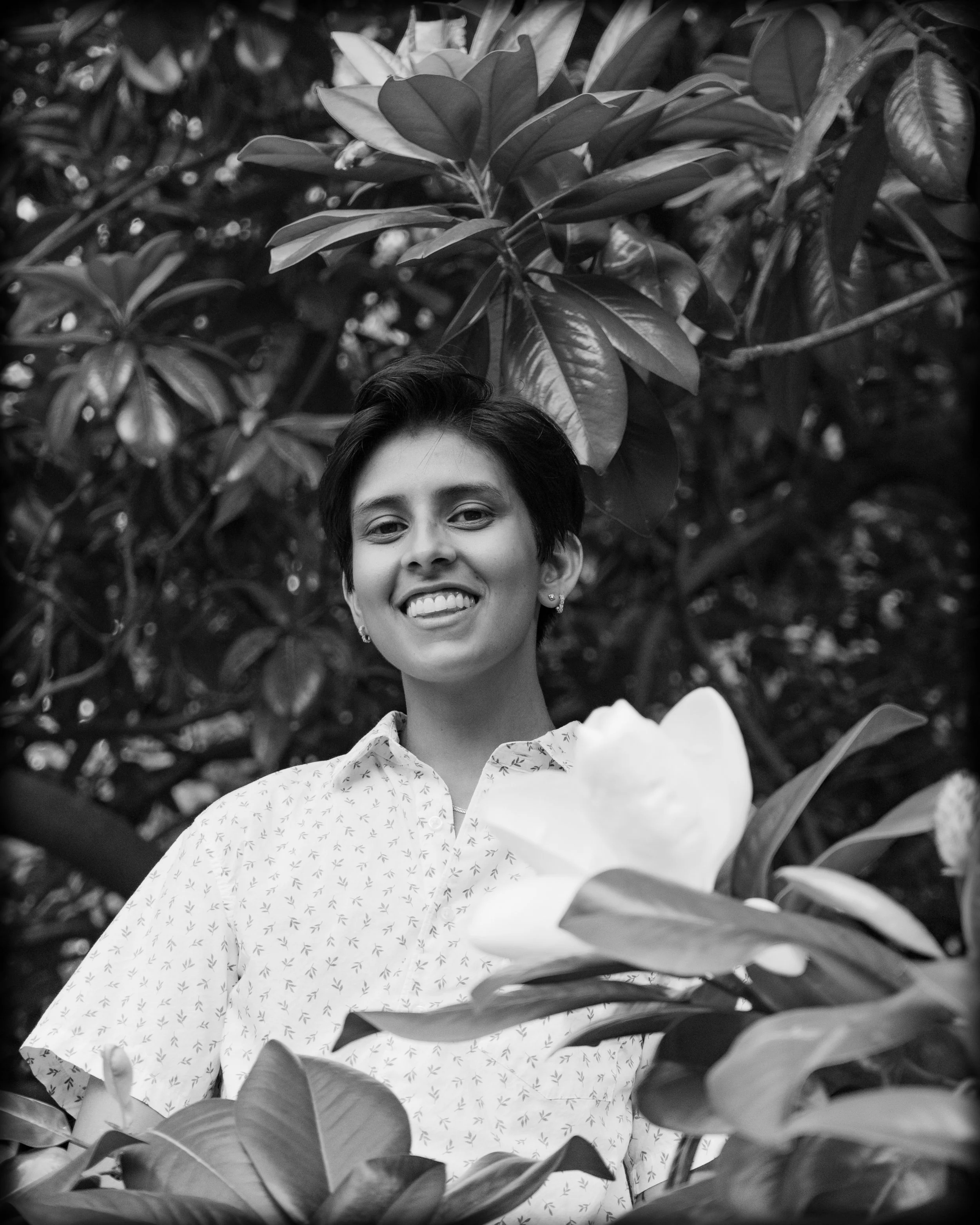
Dr Anita Simha is a plant community ecologist and postdoctoral researcher at LSU. Anita studies plant-soil-fire relationships in frequently burned landscapes of the southeastern US. Anita also draws from feminist science and technology studies to investigate how social and historical contexts have shaped current research in plant ecology.
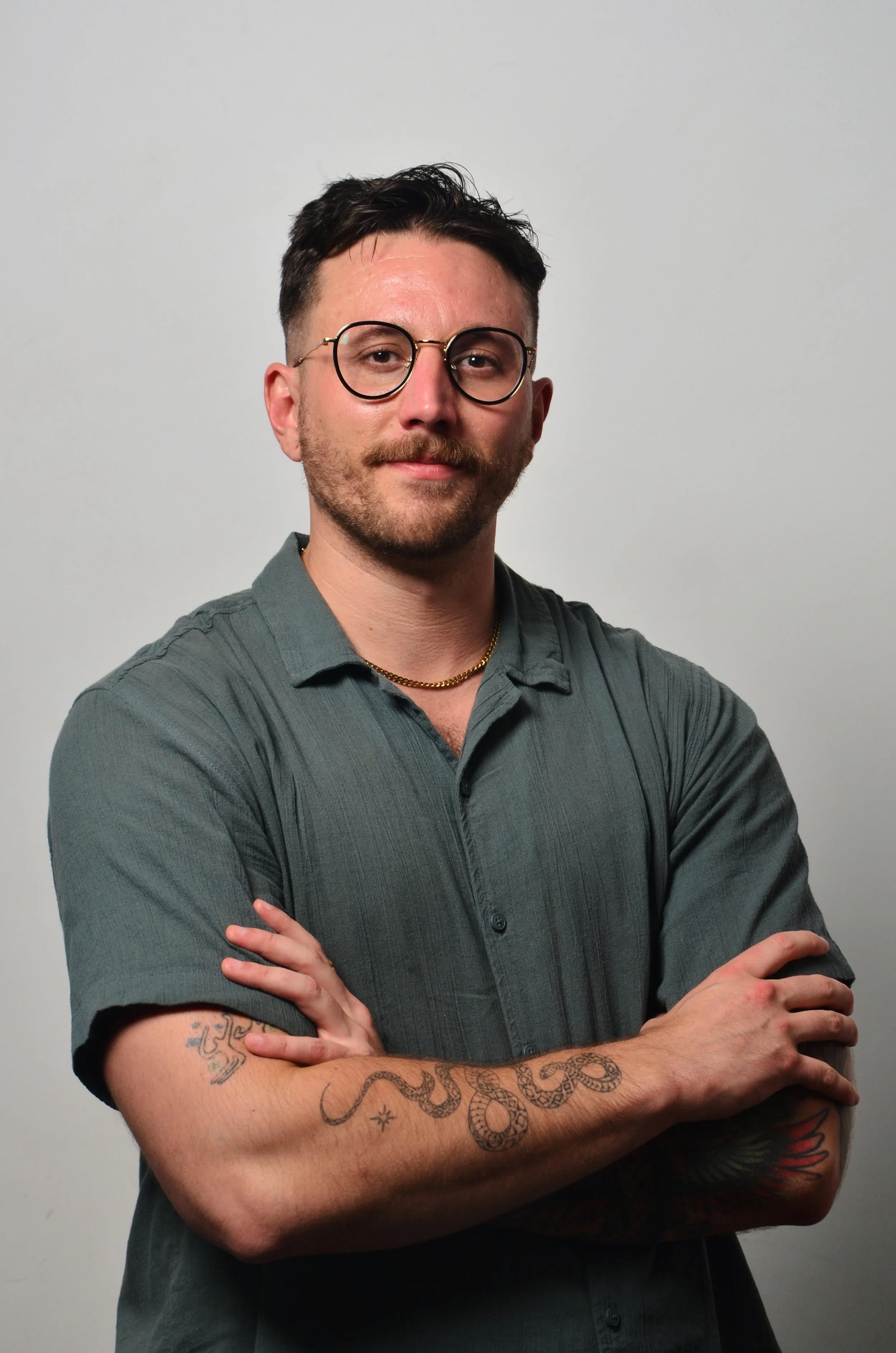
Kyle Trembley is a PhD candidate in the Department of Anthropology at the University of Washington. Kyle is an anthropologist interested in the ways power, hierarchies, and identities are forged through the entanglements between human and other-than-human beings, such as rats, Goddesses, infrastructures, cows, and vultures. Kyle’s ethnographic work is situated in the Thar Desert region of Northwest India at the Karni Mata Temple and the Jorbeer Conservation Reserve where he attends to everyday practices of caste, masculinities, labor, religion, and multispecies relationships. At the Jorbeer Conservation Reserve, his current work explores how the labor of Dalit skinning workers is at the center of vulture conservation initiatives and ecotourism.
Dr Olga Ulturgasheva is a Senior Lecturer in Social Anthropology at The University of Manchester. Olga is a social anthropologist working at the intersection of Indigenous knowledge, climate change, human-nonhuman relations, and collaborative research in the Arctic and beyond. Olga’s research asks how Indigenous communities understand, anticipate, and respond to environmental change, uncertainty, and risk. Olga is especially interested in how people work with animals, landscapes, weather, spirits, scientists, and policy-makers to make sense of rapidly changing worlds and to shape possible futures.
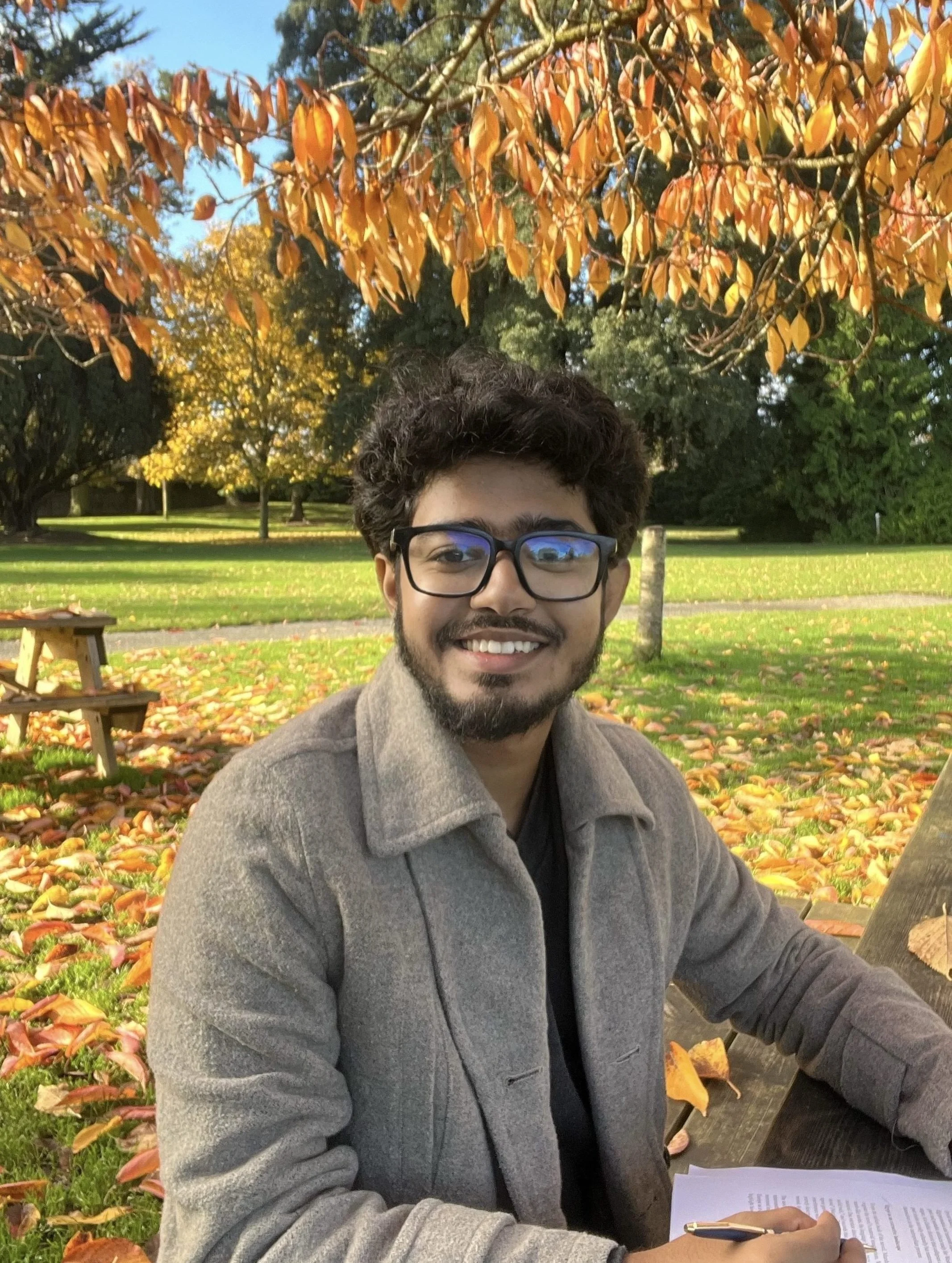
Ritam Dutta is a doctoral research scholar in the Department of English at Jadavpur University, Kolkata. His research interests lie at the intersection of Environmental Humanities, Victorian Literature and Marginality Studies, with a particular focus on how nineteenth-century literary cultures engage questions of ecology, agency, and social exclusion.He completed his M.A. in English from the University of Delhi. He is a UGC-NET Junior Research Fellow and has also qualified GATE (Humanities and Social Sciences – English Literature).
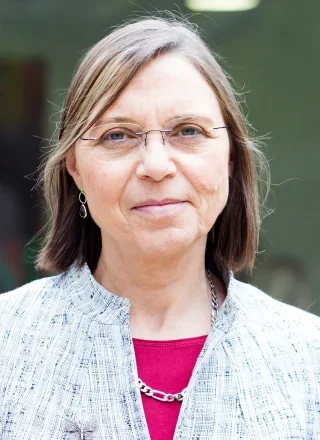
Academy Professor Sarah Green is based at the Department of Social and Cultural Anthropology at The University of Helsinki. Sarah researches the anthropology of location and borders, especially concerning livestock, wild animals and microbes; with a regional expertise in the Mediterranean and Balkan regions. Currently Sarah is publishing on the movement of nonhuman animals and attempts to control the spread of zoonotic disease.
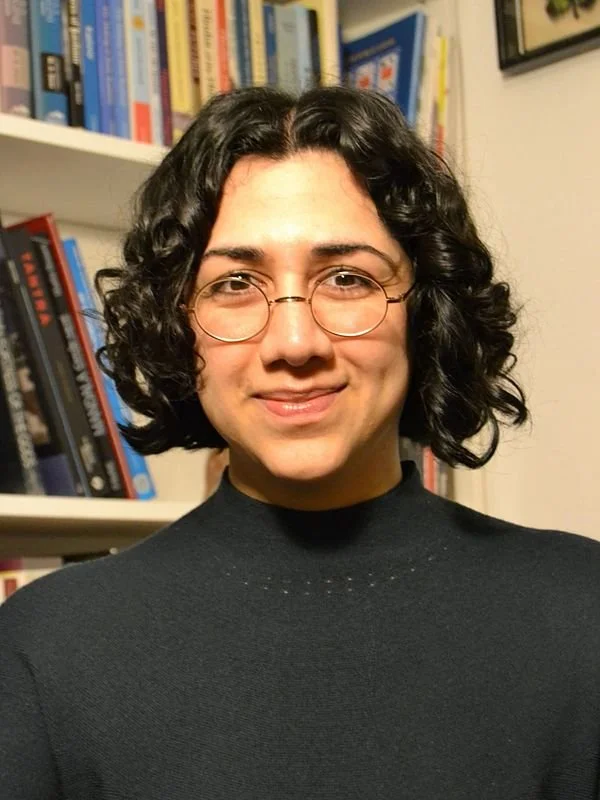
Dr Shivani Kaul is an anthropologist, film artist, and action-researcher from Kashmir and the US. At Bremen, Shivani works as a postdoctoral researcher at the crossroads of environmental humanities and public anthropology at the Institute of Anthropology and Cultural Research (IfEK). As a dozent at IfEK, she teaches ethnographic writing with an ear for unsettling storytelling and multimodality. She is also developing research on planetary health infrastructures, a monograph, and an episodic film.
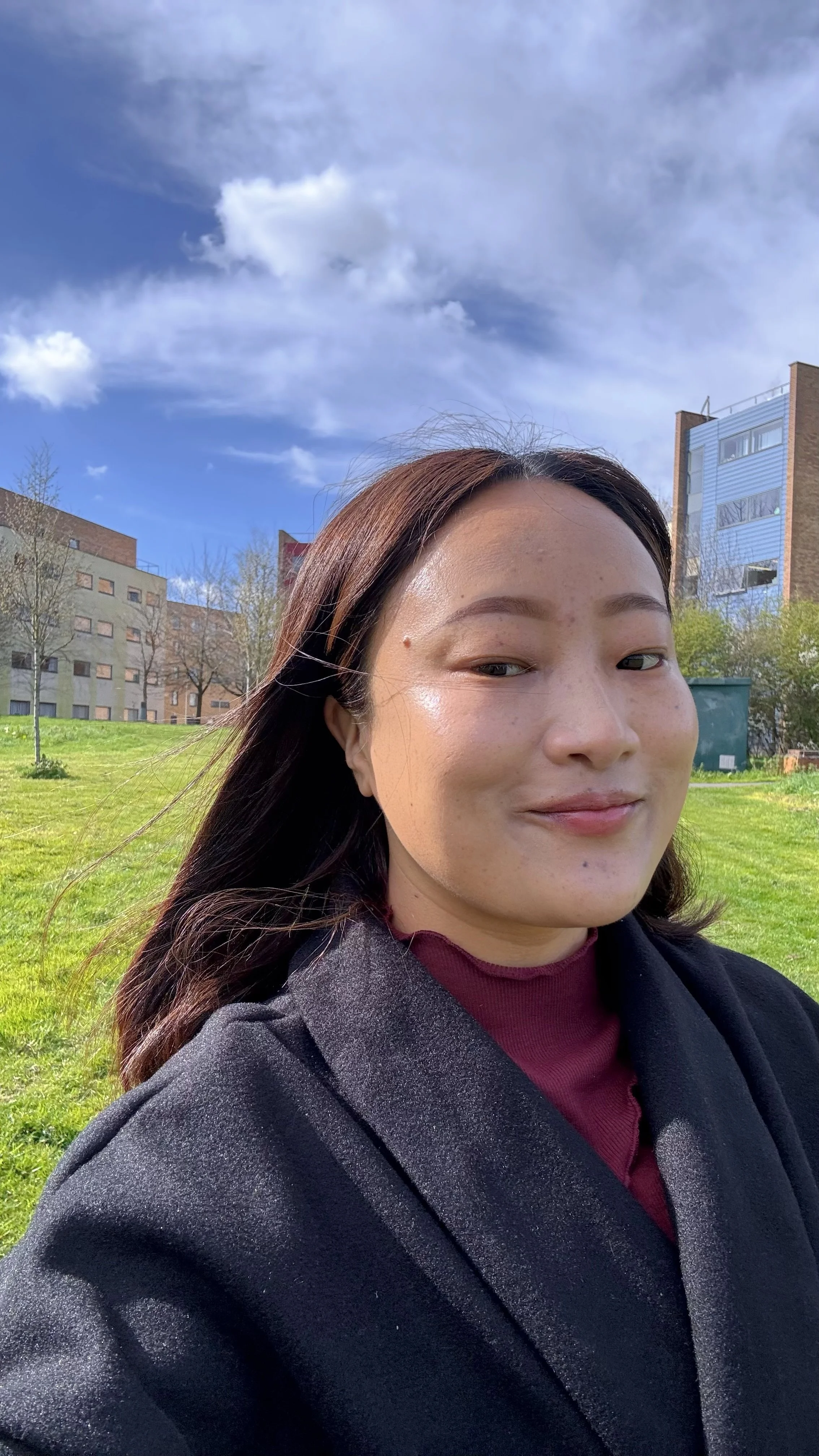
Sonam Choeki Wangmo is an Assistant Lecturer in the Department of Social Sciences at Sherubtse College, Royal University of Bhutan. She is currently pursuing an MSc in Project Management at Brunel University of London. Her interdisciplinary work spans population and development, project management and community-engaged research, with particular interests in population–environment interlinkages, human flourishing, maternal and child nutrition, youth development and the social and cultural dimensions of health and wellbeing. Drawing on her background in the social sciences, Sonam is particularly interested in qualitative and ethnographic approaches that centre on lived experiences, local knowledge, culture and human relationships to understand complex development challenges. Her work increasingly explores how project management can complement social science inquiry by translating ideas and community knowledge into meaningful, context-sensitive interventions. Through her teaching, research and emerging collaborations, she seeks to contribute to knowledge and practice that strengthen communities and support socially responsive, sustainable development in Bhutan.
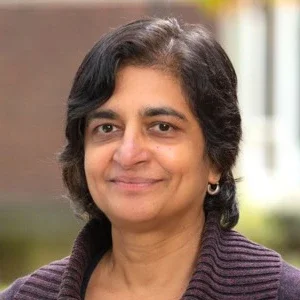
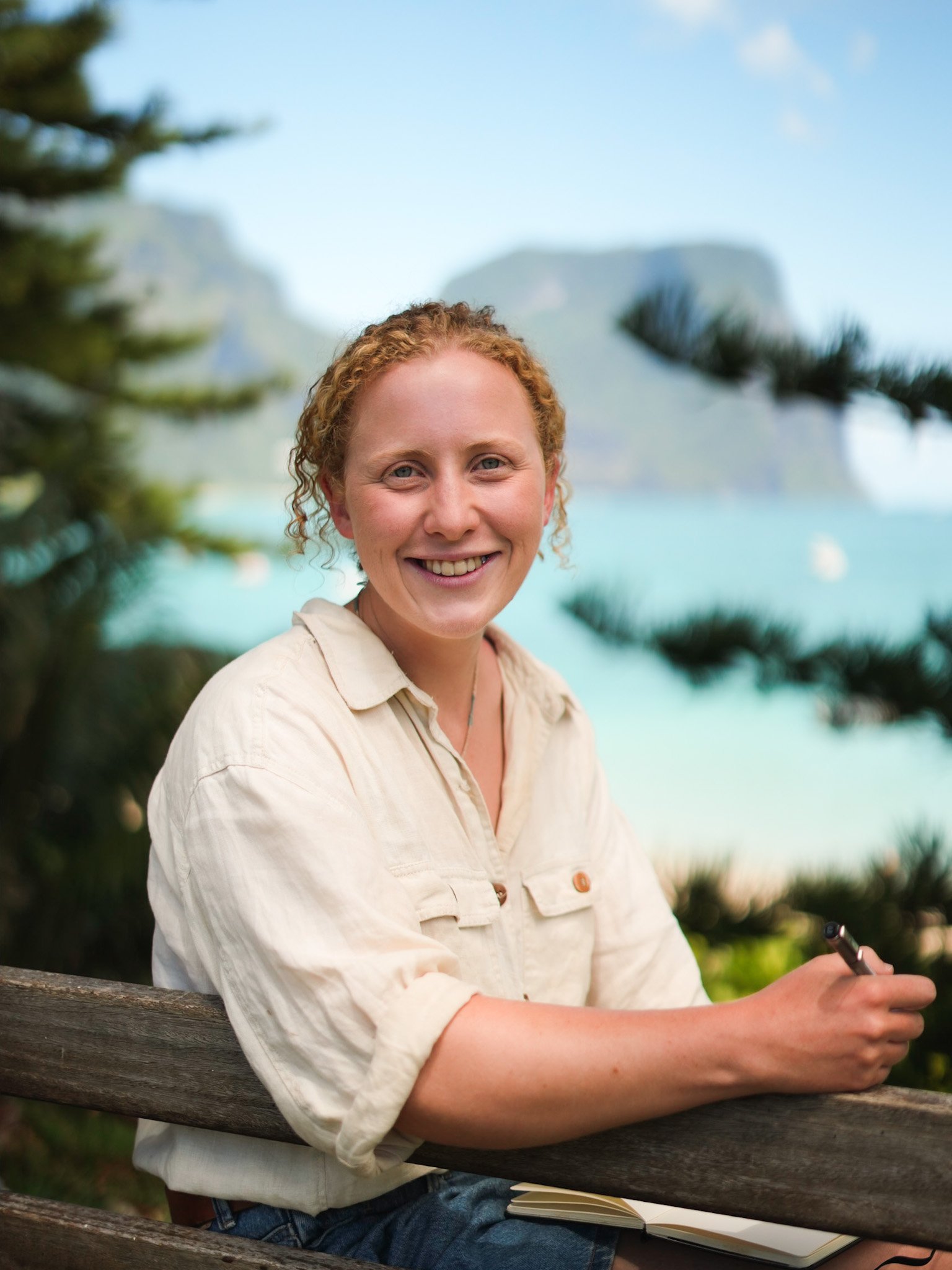
William Wyse Professor Rebecca Cassidy is a social anthropologist interested in ideas about what is ‘natural’ and how they are curated, refined, reproduced, whether that is through the bodies and pedigrees of elite animals and fruits, or through ‘self-help’ leaflets for so-called ‘problem gamblers’.
In my work I ask how particular ways of thinking about the world become powerful. I’m interested in multispecies relations, political ecology, uncertainty, gender, kinship, class, inequality, public anthropology and policy.
Professor Banu Subramaniam is the Luella LaMer Professor of Women’s and Gender Studies at Wellesley College. Banu is an interdisciplinary scholar, trained as an evolutionary biologist and plant scientist, and has since embraced tools from the humanities and social sciences to help shape the field of Feminist Science and Technology Studies. Banu explores the philosophy, history, and culture of the natural sciences and medicine as they relate to gender, race, ethnicity, and caste. Banu’s recent research rethinks the field and practice of botany in relation to histories of colonialism and xenophobia and explores the wide travels of scientific theories, ideas, and concepts as they relate to migration and invasive species. Banu also continues to work on the relationship of science and Hindu Nationalism in India.